Acquiring signal…
T-minus to liftoff
-
00
HOURS
:
00
MINUTES
:
00
SECONDS
Friday July 24 2026, 22:51:00 UTC
StatusSuccess
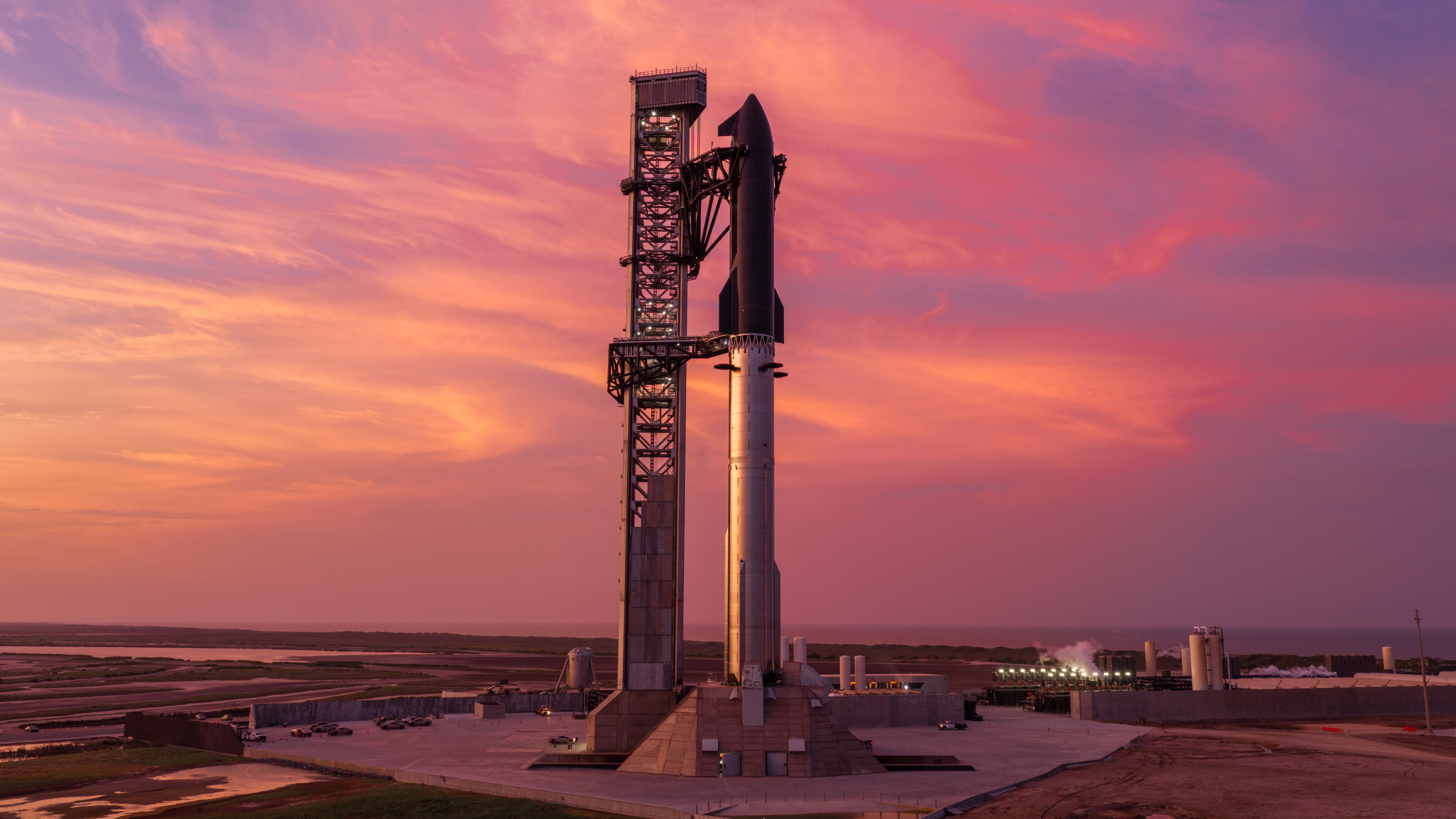
VehicleStarship V3
OrbitSuborbital
PadOrbital Launch Pad 2
Loading map…
Mission
13th test flight of the two-stage Starship launch vehicle. Second flight of Starship V3. For the first time, Starship will carry 20 V3 Starlink satellites to space, which will extend solar arrays and antennas and will attempt to connect with ground stations in South Africa and the larger Starlink constellation via high-capacity lasers. 6 of the satellites have been modified with a suite of cameras to scan Starship’s heat shield and transmit imagery down to operators to continue testing methods of analyzing Starship’s heat shield readiness for return to launch site on future missions. Several tiles on Starship have been painted white to simulate missing tiles and serve as imaging targets in the test.
Flight readiness
Flight 13Quick facts
VehicleStarship V3
OrbitSuborbital
PadOrbital Launch Pad 2
SiteSpaceX Starbase, TX, USA
WindowFriday July 24 2026, 22:45:00 UTC→Saturday July 25 2026, 00:15:00 UTC
Vehicle
FamilyStarship
Height124.4 m
Diameter9 m
Stages2
ReusableYes
LEO capacity100,000 kg
Track record3/3 successful
Landings1/3