MaxQ
Sign In
Ask Q

MISSION CONTROL

LaunchesThis WeekNewsroomMedia

TOOLS

WeatherJellyfishLaunch Viewing

HAPPENING NOW

Track

QMUNITY

CommunityStoreJoin the Team
MaxQ
MaxQ

Legal Stuff

Privacy PolicyTerms of ServiceCommunity GuidelinesAbout MaxQ

Our QMunity

Join our TeamMerch StoreEmail MaxQ

© 2026 MaxQ

•

Prepare for MaxQ

Q Powered by Q
YouTubeDiscordXBlueskyInstagram
GOES-U

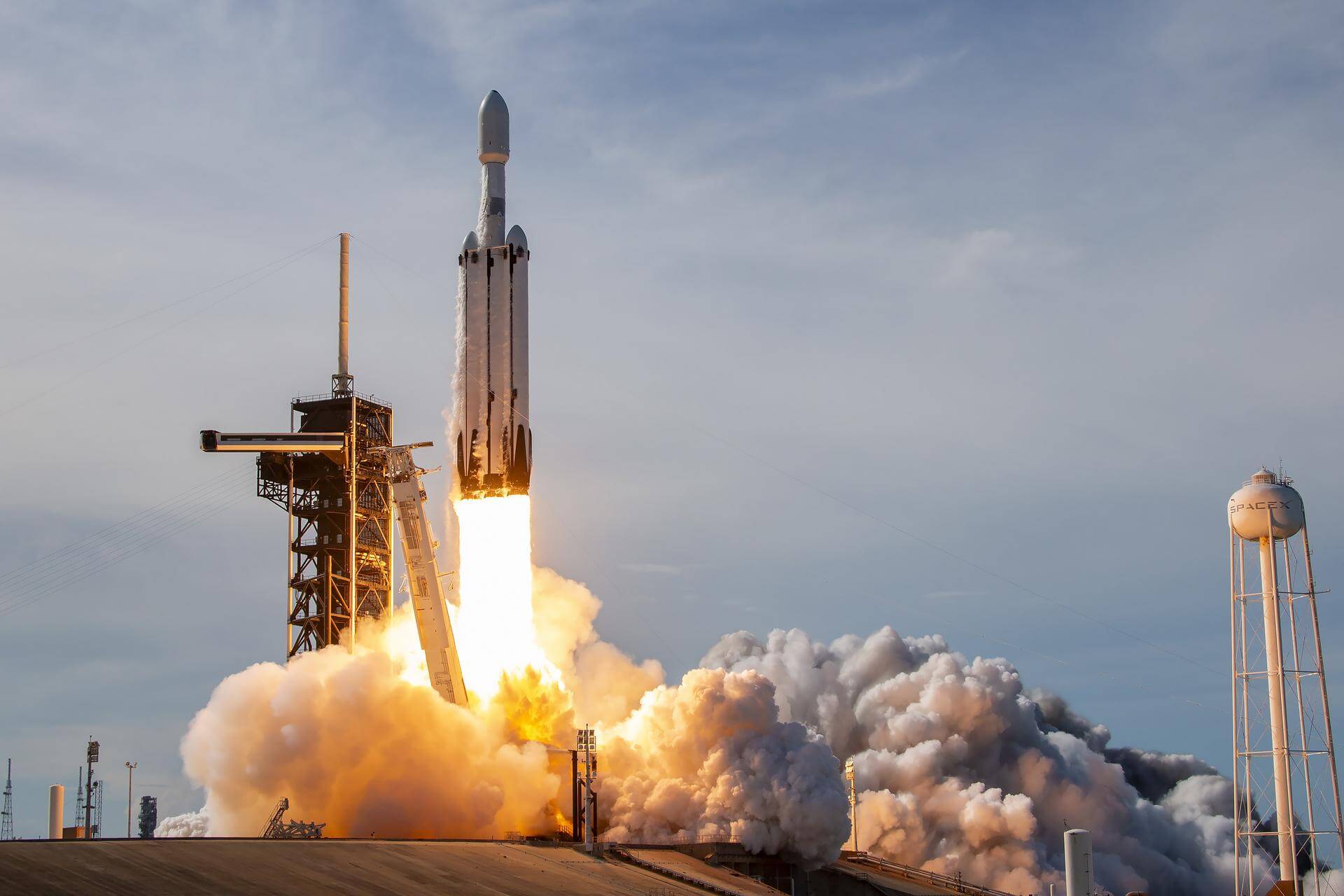
© SpaceX

All launches
SpaceX

GOES-U

Success

Falcon Heavy
T-minus to liftoff

-

00

HOURS

:

00

MINUTES

:

00

SECONDS

Jun 25, 21:26:00 UTC
StatusSuccess
VehicleFalcon Heavy
OrbitGeostationary Transfer Orbit
PadLaunch Complex 39A
Loading map…

Mission

The Geostationary Operational Environmental Satellite-U (GOES-U) is the fourth of the next generation of geostationary weather satellites, known as the GOES-R series. The four satellites of the series provide advanced imaging with increased spatial resolution and faster coverage for more accurate forecasts, real-time mapping of lightning activity, and improved monitoring of solar activity. Once GOES-U reaches orbit, it will be renamed GOES-19.

Launch Timeline

Countdown

T-00:53:00

GO for Prop Load

T-00:50:00

Stage 1 Propellant Load

T-00:45:00

Stage 1 LOX Load

T-00:35:00

Stage 2 Propellant Load

T-00:18:30

Stage 2 LOX Load

T-00:07:00

Engine Chill

T-00:00:59

Startup

T-00:00:45

GO for Launch

T-00:00:20

Tank Press

T-00:00:06

Ignition

In-flight

T+00:00:00

Liftoff

T+00:01:11

Max-Q

T+00:02:25

SBECO

T+00:02:28

Boosters Separation

T+00:02:44

Boosters Boostback Burn Startup

T+00:03:53

Boosters Boostback Burn Shutdown

T+00:03:56

MECO

T+00:03:59

Stage 2 Separation

T+00:04:06

SES-1

T+00:04:24

Fairing Separation

T+00:06:36

Boosters Entry Burn Startup

T+00:06:51

Boosters Entry Burn Shutdown

T+00:07:53

Boosters Landing Burn

T+00:08:11

Boosters Landing

T+00:08:23

SECO-1

T+00:26:19

SES-2

T+00:27:46

SECO-2

T+04:21:18

SES-3

T+04:21:51

SECO-3

T+04:30:02

Payload Separation

Quick facts

VehicleFalcon Heavy
OrbitGeostationary Transfer Orbit
PadLaunch Complex 39A
SiteKennedy Space Center, FL, USA
WindowJun 25, 21:16:00 UTC→Jun 25, 23:16:00 UTC

Vehicle

FamilyFalcon
Height70 m
Diameter12.2 m
Stages3
ReusableYes
LEO capacity63,800 kg
Track record12/12 successful
Landings21/23
Reusable Hardware

All boosters →
Strap-On Booster · NewB1086
lost1st flight
Flights5
Landings5/5100%
Fastest turn26d 3h
Recovered · RTLS · LZ-2· 15 km downrange

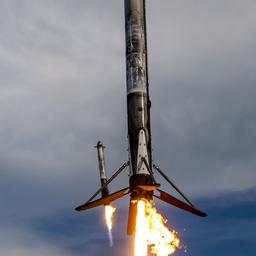
Falcon 9 booster that started out as a Falcon Heavy side booster flown during the GOES-U mission. Written off on 3 March 2025 after safely landing aboard JRTI due to post-landing aft end fire damaging one of the landing legs and tipping it overboard.

Previous flights · 4
  1. #5Starlink Group 12-20+26d 3hJRTIMar 3, 2025
  2. #4WorldView Legion 5 & 6+27d 7hLZ-1Feb 4, 2025
  3. #3Starlink Group 12-11+31d 10hASOGJan 8, 2025
  4. #2Starlink Group 12-5+165d 7hASOGDec 8, 2024
Strap-On Booster · NewB1072
active1st flight
Flights2
Landings2/2100%
Fastest turn672d 16h
Recovered · RTLS · LZ-1· 15 km downrange

Falcon Heavy side booster first flown during the GOES-U mission.

Previous flights · 1
  1. #2ViaSat-3 F3 (ViaSat-3 Asia-Pacific)+672d 16hLZ-2Apr 29, 2026
First Stage · NewB1087
expended1st flight
Flights1
Landings—
Fastest turn—
Expended — no recovery planned

Falcon Heavy core booster expended during the GOES-U mission.

Acquiring satellite view…
Trajectory unknown
Launch Complex 39A
Kennedy Space Center, FL, USA
28.608, -80.604
Scrub riskLOW
Go81%
Q

Q's read

Weather & scrubLOW risk
Weather Go81%LL2 Go70%Wind4 ktGusts4 ktCloud50%Temp81°F

Limiting rule: No flight through cumulus cloud with top at or above the freezing level.

8800% cloud cover in layer above freezing (15665 ft) — approximated · ≥60% layer 11519–20083 ft (8564 ft thick) — approximated